
Oral Hygiene · April 24, 2026
Flossing 101: Techniques for a Healthier Smile
Master proper flossing technique and tool choices to prevent gum disease and cavities.
Read More
Expert tips and insights for everyday oral health.
What you eat directly impacts the health of your teeth and gums — here's what you need to know
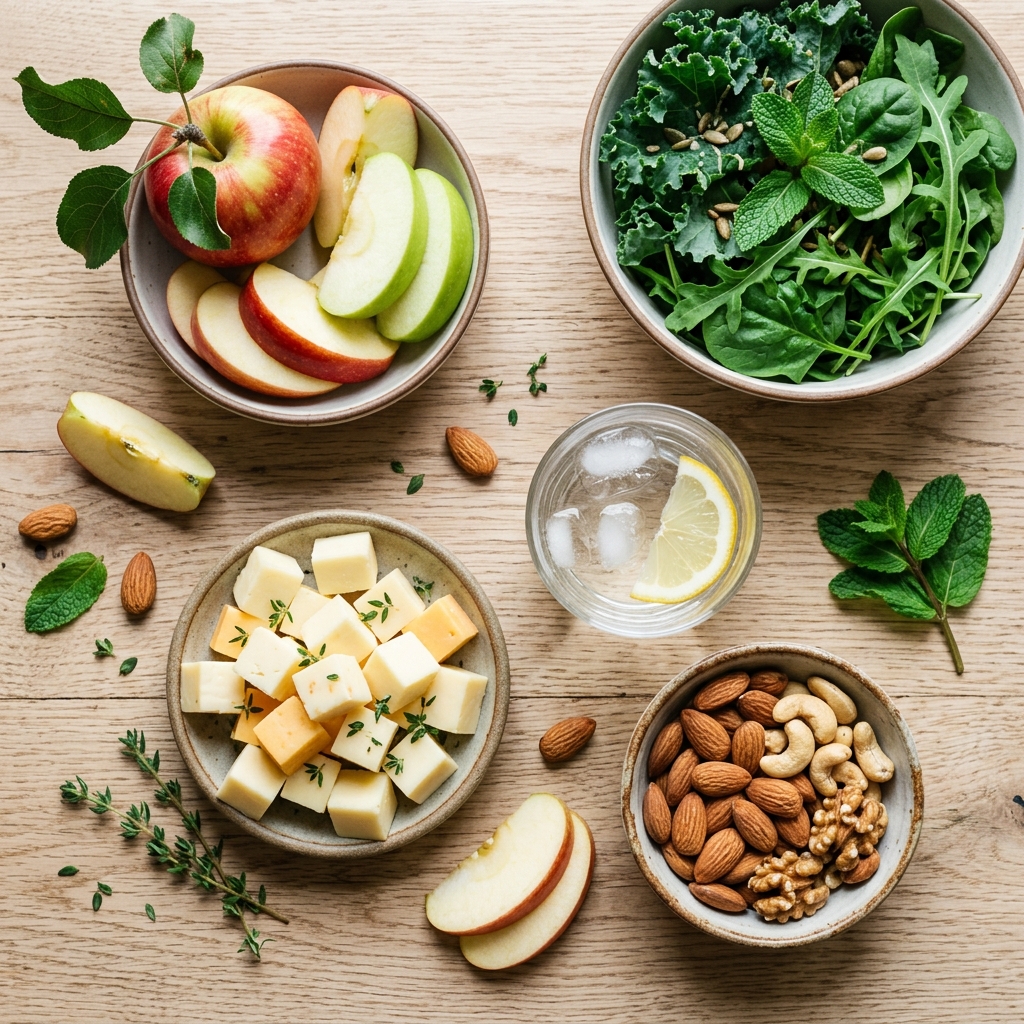
Your diet affects your teeth in ways most people don't realize. What you eat — and when you eat it — directly determines how much acid your teeth are exposed to, whether your gums get the nutrients they need to stay healthy, and how effectively your saliva can protect your enamel.
Brushing and flossing are essential, but they can't fully compensate for a diet that's working against your oral health. Here's what the science shows.
Every time you eat or drink something that contains sugar or refined carbohydrates, the bacteria in your mouth feed on it and produce acid as a byproduct. This acid attacks your tooth enamel for about 20–30 minutes after eating. Over time, repeated acid attacks cause enamel erosion and cavities.
The issue isn't just how much sugar you eat — it's how often. Sipping on juice throughout the day is more damaging than having a piece of cake at one meal, because it creates a near-constant acid environment in your mouth.
Milk, cheese, and yogurt are excellent for teeth. They contain calcium and phosphates that help remineralize enamel, and casein protein that helps protect enamel from acid erosion. Cheese in particular raises the pH of your mouth, neutralizing acid. Eating a small amount of cheese after a meal is actually beneficial for your teeth.
Vegetables like spinach, kale, celery, and carrots require vigorous chewing — which stimulates saliva production. Saliva is your mouth's natural defense against acid and bacteria. Crunchy vegetables also act as a mild mechanical cleaner for tooth surfaces.
Chicken, fish, eggs, and lean meats provide phosphorus, which works with calcium to build and protect tooth enamel. They're also low in sugar and don't contribute to acid production.
Water is the single best drink for your teeth. It rinses away food particles and bacteria, helps maintain saliva production, and — if fluoridated — actively strengthens enamel. Drinking water after meals is a simple habit that meaningfully reduces cavity risk.
Almonds, walnuts, and sunflower seeds are rich in calcium, phosphorus, and healthy fats. They require chewing (stimulating saliva) and contain minimal sugar. Almonds in particular are a dentist-approved snack.
Saliva is your mouth's natural defense system. It neutralizes acid, washes away bacteria, delivers calcium and phosphate to enamel, and contains antimicrobial proteins. Foods that stimulate saliva production — like crunchy vegetables and fibrous fruits — actively protect your teeth while you eat them.
Candy, cookies, chips, crackers, and bread all feed the acid-producing bacteria in your mouth. Sticky forms — like gummy candy, dried fruit, or caramel — are especially damaging because they cling to tooth surfaces and extend acid exposure time.
Soda (even diet), sports drinks, energy drinks, citrus juice, and wine are highly acidic and directly erode enamel. These drinks lower the pH of your mouth well below the level where enamel begins to dissolve (pH 5.5).
If you drink acidic beverages:
Both can stain teeth over time due to tannins and chromogens. Adding sugar significantly increases cavity risk. Rinsing with water after your morning coffee helps reduce staining, and drinking through a straw minimizes contact with teeth.
Alcohol dries the mouth, reducing saliva flow. It's also acidic and often contains sugar. Dry mouth is a significant cavity risk factor — saliva is essential for protecting enamel and clearing bacteria.
Dentists often focus on the frequency of eating as much as the content. Here are the key principles:
It's not just your teeth — your gums need proper nutrition too:
Good nutrition supports great oral health, but it doesn't replace professional cleanings and checkups. Book your visit at Smile Makers of Georgia today.

Owner & Dentist at Smile Makers of Georgia
Dr. Nagarjuna Meesa is the owner and lead dentist at Smile Makers of Georgia. He takes a holistic approach to dental health, helping patients understand how lifestyle and nutrition choices directly impact their oral health and overall well-being.
Master proper flossing technique and tool choices to prevent gum disease and cavities.
Read More
Everything you need to know about in-office and take-home whitening options, safety, and results.
Read More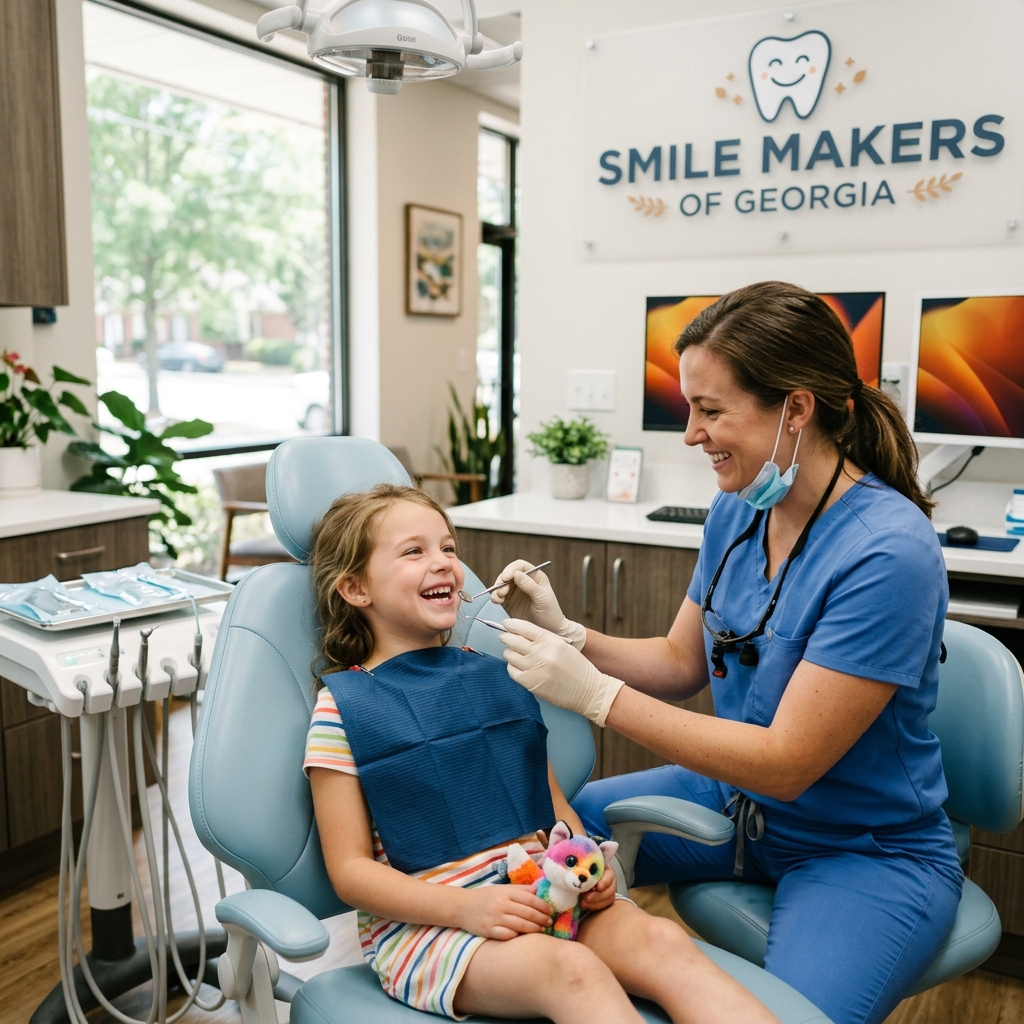
When to schedule the first visit, how to talk to your child about it, and what to expect.
Read MorePair smart nutrition with professional care — book your next cleaning and build a lifelong oral-health plan.